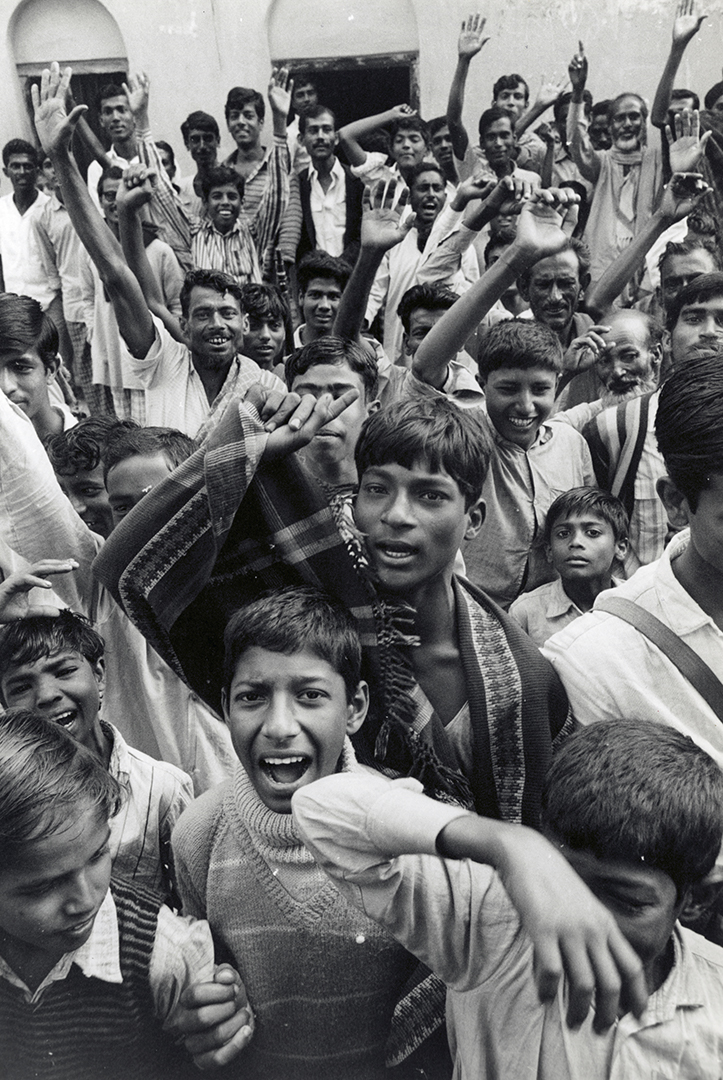
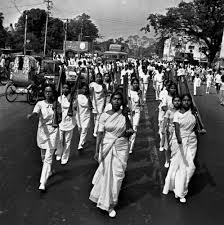
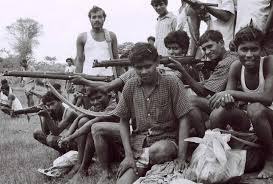
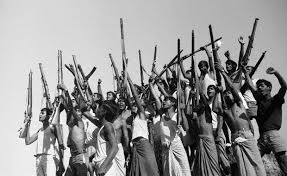
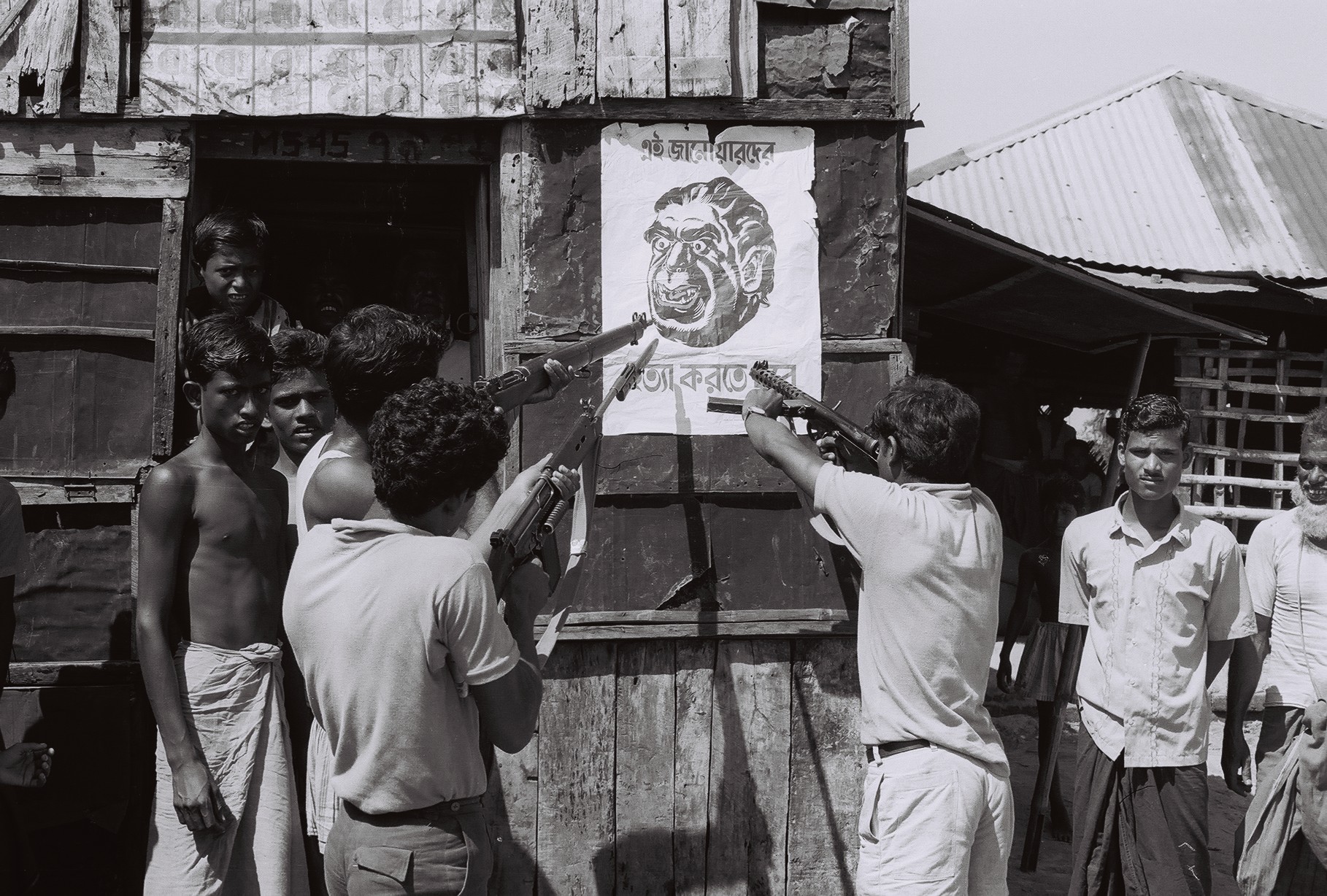
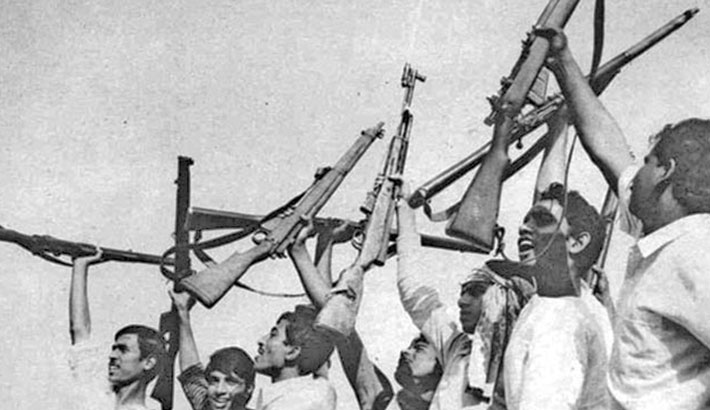
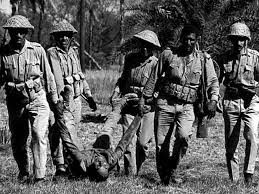
The Bangladesh Liberation War, also known as the Bangladesh War of Independence, was an armed conflict sparked by the rise of the Bengali nationalist and self-determination movement in East Pakistan, which resulted in the independence of Bangladesh with the help of India. The war began when the Pakistani military junta based in West Pakistan—under the orders of Yahya Khan—launched Operation Searchlight against East Pakistanis on the night of 25 March 1971, initiating the Bangladesh genocide.[17] In response to the violence, members of the Mukti Bahini—a guerrilla resistance movement formed by Bengali military, paramilitary and civilians—launched a mass guerrilla war against the Pakistani military, liberating numerous towns and cities in the war's initial months. At first, the Pakistan Army regained momentum during the monsoon, but Bengali guerrillas counterattacked by carrying out widespread sabotage, including through Operation Jackpot against the Pakistan Navy, while the nascent Bangladesh Air Force flew sorties against Pakistani military bases.[18] India joined the war on 3 December 1971 in support of the Mukti Bahini, after Pakistan launched preemptive air strikes on northern India and massive flight of some 10 million East Pakistani Bengals[19] to the Indian state of West Bengal, following waves of emigration since Partition in 1947. The subsequent Indo-Pakistani War involved fighting on two fronts; with air supremacy achieved in the eastern theater and the rapid advance of the Allied Forces of Mukti Bahini and the Indian military, Pakistan surrendered in Dhaka on 16 December 1971, in what remains to date the largest surrender of armed personnel since the Second World War.[20].
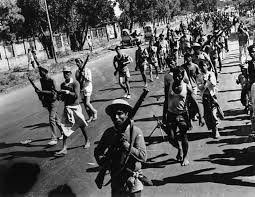
Liberation War, also known as the Bangladesh War of Independence, was an armed conflict sparked by the rise of the Bengali nationalist and self-determination movement in East Pakistan, which resulted in the independence of Bangladesh with the help of India.also known as the Bangladesh War of Independence
Read more
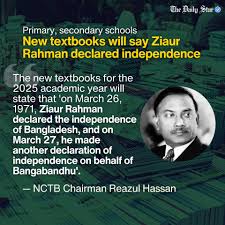
According to them, the issue has resurfaced this Independence Day, with some recent media reports renewing debate over whether Major Ziaur Rahman first made the declaration on March 27 or had already done so on March 26.
Read more
A day labourer, Kachu Sheikh left his home for work near a train station on 20 April 1971. He did not know it was the last time he would say goodbye to his wife and two children.On the way, Pakistani Army personnel held him and shot him dead. Since then, every day was a day of grief, loss and misery for his family who had no land and no one else to depend on.
Read more
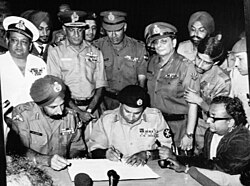
The Instrument of Surrender (Bengali: আত্মসমর্পনের দলিল) was a written agreement that enabled the surrender of the Pakistan Armed Forces in the Bangladesh Liberation War. The surrender took place at the Ramna Race Course in Dacca on December 16, 1971. Lieutenant-General A A K Niazi,
Read moreThis historic document formally declared Bangladesh as an independent nation. It was issued during the early hours of March 26, 1971, following political unrest and military action.
Description: The declaration emphasized the rights of the people of Bangladesh and called for resistance against oppression.
Shares firsthand experiences from the battlefield and the struggle for independence in 1971.
Personal testimony of survival, resilience, and life during the war period.
Analysis of the political and cultural significance of the Liberation War.
Personal testimony of survival, resilience, and life during the war period.
Shares firsthand experiences from the battlefield and the struggle for independence in 1971.